







India will make its case to host the 2036 Summer Olympics and Paralympics on Thursday in a virtual session before the International Olympic Committee's Future Host Commission, hoping to impress the world body with its infrastructure model in Ahmedabad and its record of staging global sporting events.

India is one of seven countries that will make presentations over a two-day period. Germany, Hungary, Qatar, South Korea, South Africa and Turkiye are the other countries that have shown interest in hosting the 2036 Games. Each country's case will be assessed on the basis of its infrastructure preparations, sustainable projects, legacy plans and viability as a host of the Olympics and Paralympics.
The panel assessing the bids is headed by IOC chief Kirsty Coventry, and it has said the bids will be evaluated on several technical criteria, including the venue master plan and athlete experience, the funding model, political and public backing, Games delivery capability, and legacy plans aimed at ensuring lasting benefits for host communities.
India's case, to be made from an office in New Delhi, will be presented by a high-level delegation. Sports Minister Mansukh Mandaviya will lead the team, alongside Sports Secretary Hari Ranjan Rao, outgoing Indian Olympic Association president P T Usha, IOA Athletes Commission head and badminton star P V Sindhu, Gujarat Sports Minister Harsh Sanghavi, and IOA chief executive Raghuram Iyer, along with a couple of other officials.
The composition of the delegation is itself part of the pitch: a serving minister, the country's most decorated woman athlete administrator in Usha, and one of its most recognisable sporting faces in Sindhu, presenting a bid that spans government, administration and athletes.
The presentation will focus on two strengths. The first is India's past record of hosting international events. Between January 2025 and June 2026, the country hosted 36 international sporting competitions across more than 15 cities, and it has secured the hosting rights for 19 international sporting competitions to be held during 2027 and 2028.
Officials have said the focus will be on growing capabilities, newly developed infrastructure and the past record of hosting international events, a record they believe demonstrates that India can deliver a Games of Olympic scale.
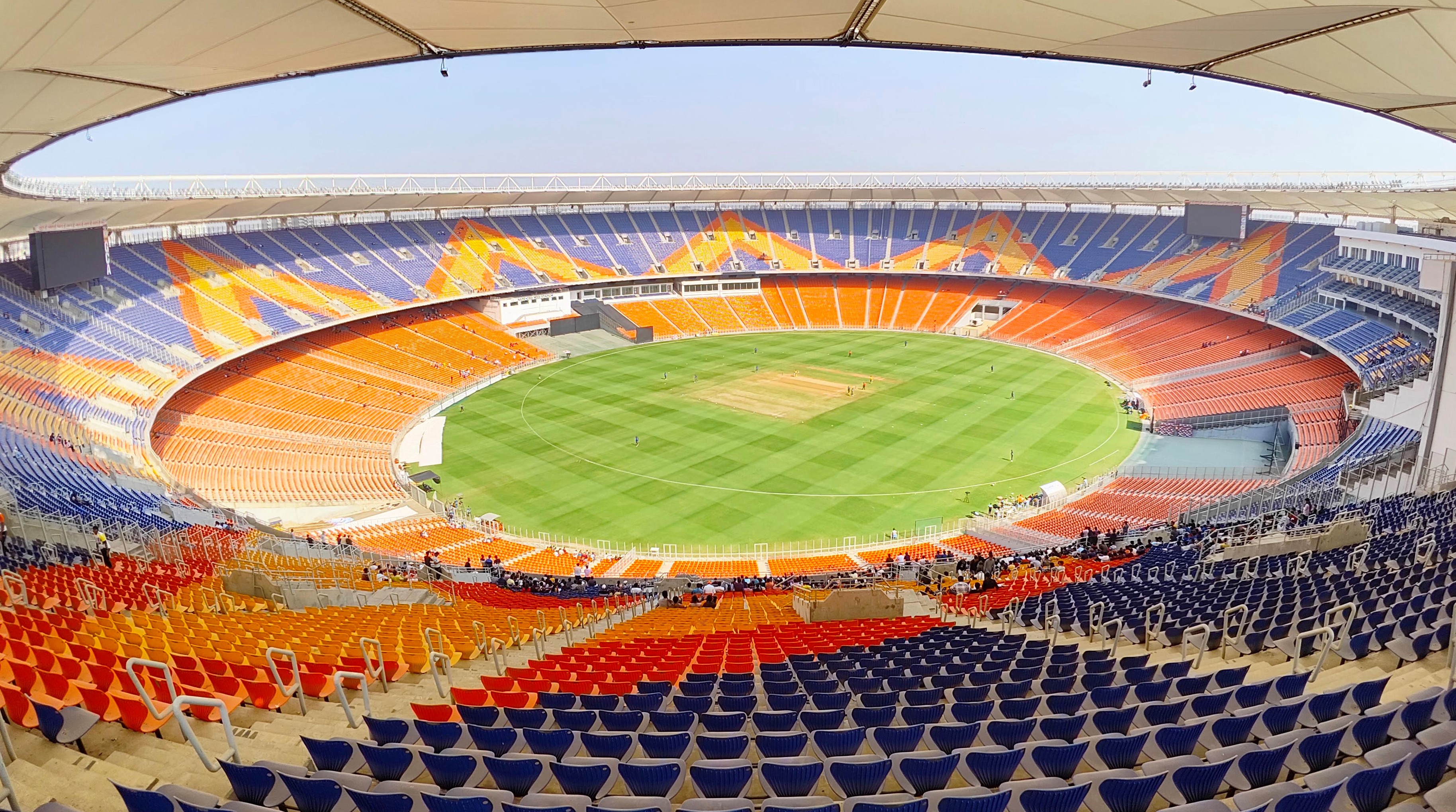
The second strength is Ahmedabad, the proposed host city. The Gujarat city has already bagged the hosting rights for the 2030 Commonwealth Games, which means that most of the venues and large-scale infrastructure required for an Olympics will already be in place well before 2036. In 2029, Ahmedabad will also host the biennial World Police and Fire Games, giving the city further experience of staging a major multi-sport event.
The presentation is expected to stress that the Commonwealth Games will serve as a rehearsal for the Olympics, testing venues, transport, security and hospitality systems that could then be used again seven years later.
So far, only Turkiye is understood to have made its presentation before the Future Host Commission, which means India will be among the early bidders to set out its case. The presentation does not mean India has been selected as host. It is an important step in the IOC's continuing dialogue with interested countries, a process that will run for several more years before a final decision is taken.
After the presentation, the IOC will conduct an anonymous survey to gauge the general public's view of India's bid. The survey is expected to take place in the third week of December and will factor into the assessment of the bid in March next year. Following that evaluation, the phase of Strategic Dialogue will begin, during which the interested countries will be expected to provide an initial response to the Future Host Questionnaire and core financial guarantees.
In 2028, the final phase of decision-making, known as Targeted Dialogue, will begin, during which IOC members will receive a report from the Future Host Commission. In mid-2029, the IOC Executive Board will select preferred hosts to be put forward for election by the IOC Session to become the host of the 2036 Olympic Games.
The presentation comes at a sensitive moment for the Indian Olympic Association, which is embroiled in a controversial election process. Usha pulled out of the presidential race weeks ago after alleging that external forces were trying to sabotage her candidature, and the election has been the subject of public argument within Indian sport.
The row has not stopped the bid process, but it forms part of the backdrop against which the delegation will present, and it is a reminder that the governance of Indian sport remains unsettled even as the country pursues the world's biggest sporting prize.
The bid itself has been in the making for some time. The Indian Olympic Association initially stated that its vision for the Games would be driven by the theme of Rising Together, but the idea was dropped after it emerged that the phrase was similar to the tagline used by Japan for its bid to host the 2020 Tokyo Olympics.
India formally expressed interest in hosting the Olympics in 2024, and last month the IOC invited all seven interested countries to present their projects to the Future Host Commission.
For India, the stakes go beyond sport. Hosting the Olympics would be the largest event the country has ever staged, and the bid is tied to the government's broader ambitions for infrastructure, urban development and India's standing in the world. Ahmedabad's emergence as the proposed host city reflects the scale of investment already flowing into Gujarat's sporting infrastructure, and the 2030 Commonwealth Games are designed to accelerate that further.
If the bid succeeds, the Games would leave behind stadiums, transport links and housing that the organisers say would benefit the city long after the closing ceremony.
The road is long, and the competition is strong. Six other countries are making the same case, and the IOC's process is designed to test every aspect of a bid, from the venue plan to the funding model to the level of public support. Thursday's presentation is only the first formal step, but it is the moment when India's ambitions are put before the body that will ultimately decide.
The delegation in New Delhi will be making the case that India is ready, that Ahmedabad is ready, and that the country's record of hosting global events proves it can deliver.
(Reporting based on The Times of India, The Shillong Times and Vartha Bharati.)