







New Delhi, Nov 3: The Indian Navy has rescued all 20 crew members of the Iranian fishing vessel Azini, hijacked by Somali pirates in the Arabian Sea, after a meticulously coordinated 48-hour operation more than 3,000 kilometres from Mumbai, Defence Minister Rajnath Singh announced on Monday.

The operation was completed on November 2, with support from the Indian Air Force. The vessel had been seized by armed pirates on October 29 off the northeastern coast of Somalia, between the coastal towns of Bandar Bayla and Hafun, according to officials and reports citing maritime security sources. From the moment the hijacking was reported, the vessel was under watch, and Indian forces moved to locate it, intercept it and secure the release of its crew and the ship itself.
The rescue was led by the destroyer INS Kolkata, supported by a long-range maritime reconnaissance aircraft operated by the Indian Navy. Reports of the operation also described the dropping of marine commandos by an Indian Air Force C-17 aircraft, a detail that underlines how far from shore, and how complex, the mission was.
Operating more than 3,000 kilometres from Mumbai, the task force had to find a single fishing vessel in a vast stretch of ocean, approach it without endangering the hostages, and then deal with pirates described by the Defence Minister as significantly armed.
In a post on X, Singh congratulated the Navy and described the mission in terms that have since been widely quoted. He wrote that the swift localisation, interception and safe release of the crew and vessel from significantly armed pirates, with timely support from the Indian Air Force, spoke well of the Navy's high operational readiness and its ability to respond decisively to maritime threats across the region.
He added that Indian personnel had once again demonstrated the country's ability, intent and resolve to safeguard lives, uphold maritime security and ensure stability across the Indian Ocean Region, and that India remained resolute in ensuring safe seas and a free, open and secure Indian Ocean.
The praise matters because the operation was not simply a matter of sending a warship to a reported position. Piracy off Somalia has changed in character since its peak more than a decade ago. Modern incidents often involve a hijacked fishing vessel being held as a potential mothership, a mobile base from which pirates can launch attacks on other ships along busy shipping routes.
The Maritime Security Centre for the Indian Ocean, which supports the European Union's anti-piracy mission Operation Atalanta, had warned that Azini could be used in exactly that way. Allowing a hijacked vessel to remain in pirate hands therefore risks more than the safety of one crew: it can become a platform for further attacks.
That is why the timeline mattered. The Azini was hijacked on Thursday, October 29. By Monday, November 2, the operation to free it was complete.
In between, Indian forces tracked the vessel, closed in, and secured the release of everyone on board. Officials have so far given only a short public account of the mission, and several operational details, including the precise sequence of the interception and what happened to the pirates, have not been disclosed in full. What is confirmed is the outcome: all 20 crew members safe, and the vessel itself recovered.
The distance involved sets the Azini operation apart even within the Navy's recent record. In March 2024, the Navy rescued 17 crew members from the hijacked merchant vessel MV Ruen, around 2,600 kilometres from the Indian coast, and captured 35 Somali pirates in that operation.
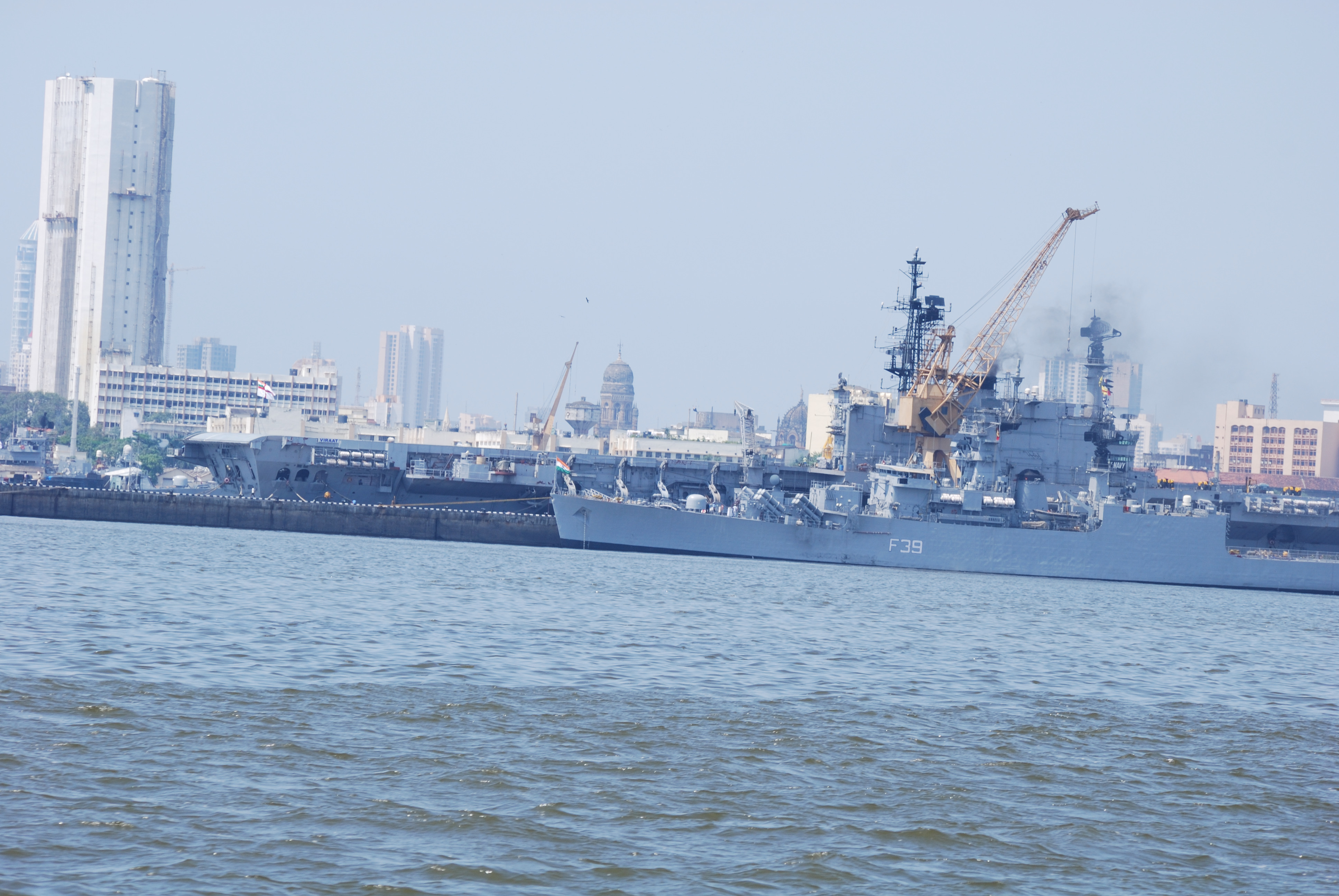
The Azini rescue took place further out, more than 3,000 kilometres from Mumbai, and required sustained coordination between a deployed warship, maritime patrol aircraft and air force transport aircraft over two full days. It is a measure of reach that few navies in the region can match, and it reflects years of investment in long-range surveillance, underway replenishment and joint operations between the services.
India's anti-piracy presence in these waters is not new. Since October 23, 2008, the Navy has maintained a round-the-clock anti-piracy deployment in the Gulf of Aden, with at least one Indian warship on patrol at any given time. That deployment began during the height of Somali piracy, when hijackings threatened one of the world's busiest shipping lanes, carrying a large share of global trade between Asia and Europe through the Suez Canal route.
Although the number of successful hijackings fell sharply after international naval patrols, industry security measures and prosecutions, the threat never disappeared entirely, and recent years have seen a worrying resurgence of incidents off the Somali coast.
For the crew of a fishing vessel, hijacking is a terrifying experience that rarely makes headlines until a navy intervenes. Fishing boats are slower and less protected than merchant ships, their crews are often small and drawn from coastal communities with little recourse, and their captors may hold them for ransom, for use as human shields, or as labour for further piracy.
The safe release of all 20 crew members of the Azini is therefore significant not only as a military success but as a human one: twenty people who went to sea to fish, and who were seized by armed men far from home, are alive and free because a coordinated force reached them in time.
The operation also carries a wider message about India's role in the Indian Ocean. India has long described itself as a net security provider in the region, a phrase that in practice means responding to distress calls, escorting merchant shipping, conducting anti-piracy patrols and carrying out humanitarian assistance after natural disasters, whether or not Indian nationals are directly involved.
The Azini was an Iranian vessel, its crew were not Indian, and the hijacking took place off Somalia, yet the Indian Navy responded, tracked the vessel across thousands of kilometres of ocean, and freed it. That kind of response builds credibility with shipping companies, coastal states and partner navies, and it reinforces the idea that the sea lanes of the Indian Ocean are watched by a country willing to act.
There are, of course, questions that remain. Maritime security analysts will want to know how the pirates boarded the Azini, whether they were part of a larger network, and whether any were detained. Shipping industry groups will look for lessons about routing, reporting and the speed with which naval forces can be tasked when a vessel goes missing.
And regional governments will watch whether this incident proves to be isolated or part of a broader pattern of renewed piracy in the western Indian Ocean, driven by instability onshore in Somalia and by the opportunities created when international attention shifts elsewhere.
For the moment, however, the facts that matter most are simple and confirmed: a vessel hijacked on October 29, a 48-hour operation led by INS Kolkata with air force support, and 20 crew members rescued on November 2, more than 3,000 kilometres from Mumbai.
In a region where the sea is both a livelihood and a highway, and where threats can appear far beyond the horizon, that outcome is a reminder of why navies patrol, why surveillance aircraft fly long missions over empty water, and why the phrase safe seas is more than a slogan. It is, for the crew of the Azini, the difference between captivity and going home.
(Reporting based on Hindustan Times and News18.)