







New Zealand's fast-bowling troubles have deepened, with pace spearhead Lockie Ferguson ruled out of the remainder of the T20I series against India after scans confirmed a low-grade tear in his right calf. Matt Fisher, who joined the squad in Wellington as bowling cover, will replace Ferguson for the rest of the series.

New Zealand Cricket confirmed the news on Thursday, announcing that Ferguson experienced pain in his right calf during the second T20I at Hagley Oval in Christchurch and that subsequent scans revealed the tear. The fast bowler is expected to need another week or so of recovery before he can return to play, a timeline that keeps the door open for a comeback in the ODI series that follows.
Ferguson's absence is a significant blow to a side that has already been stretched thin by injuries throughout the home series. The right-arm quick is one of New Zealand's most experienced white-ball bowlers, known for his raw pace and his ability to deliver in the death overs.
His loss comes at a moment when the hosts' attack has struggled badly to contain India's aggressive batting line-up, which has chased down targets with remarkable ease in the three matches played so far.
India have already sealed the five-match series with an unassailable 3-0 lead. The visitors chased down 225 in the opening match, then successfully pursued a target of 180 in the second game at Christchurch. The third T20I proved even more punishing for New Zealand, as India overhauled 199 in just 13.2 overs.
That relentless batting has put the home bowlers under intense scrutiny, and the loss of Ferguson removes one of the few bowlers with the pace to trouble India's top order.
Ferguson did not even complete his spell in the second T20I, the match in which he sustained the injury. He went for 37 runs in his three overs in a last-over thriller at Hagley Oval before leaving the field, and he was rested for the third T20I as part of the Black Caps' workload management plan for their seamers. The scan results have now confirmed that the problem is more serious than a minor niggle.
The injury update also covered Matt Henry, who was assessed after experiencing pain in his right quadricep during the same second T20I. Scans showed Henry has also picked up a low-grade tear, requiring one to two weeks of recovery. Henry, however, had already been scheduled to sit out the rest of the T20Is with an eye on his workload ahead of a busy summer schedule, and he remains on track for the ODI series, which New Zealand Cricket had planned as his return point.
Head coach Rob Walter said he was optimistic that both Ferguson and Henry would still feature in the ODIs against India, which begin on November 4. "We're gutted for Lockie and Matt," Walter said. "Injuries are part and parcel of international cricket but it doesn't make it any easier when you have to miss games. Fortunately for Matt he was already going to sit out on the rest of the T20Is with an eye to his big summer schedule, and we're hopeful he'll still play a key role in the ODIs. I know Lockie was fizzing to play in front of a sell-out home crowd at Eden Park tomorrow, but he's determined to be back for the ODIs."
Fisher, the 26-year-old quick who has been called up in Ferguson's place, was already with the squad as cover for the third T20I in Wellington and will now stay on for the final two matches. His promotion has a knock-on effect further down the chain: Central Stags fast bowler Brett Randell has been called up to the New Zealand A squad for the second match against India A to replace Fisher.
The injury list for the hosts has grown long during this series. Veteran pacer Matt Henry had already been ruled out of the remainder of the T20Is after leaving the field with a tight calf, and other key absences include Zak Foulkes and Mark Chapman, who were replaced by Blair Tickner and Josh Clarkson. Rachin Ravindra and Will O'Rourke have also missed out through injury at various stages, leaving the selectors to dig deep into their reserves.
As part of the planned workload management of Kyle Jamieson, the tall fast bowler will remain in Wellington and will be available for Canterbury's second round of the Ford Trophy on Saturday, before rejoining the Black Caps on Monday for the ODI series. The careful handling of Jamieson underlines how cautious New Zealand are being with their fast bowlers in a congested calendar, even as the injury toll mounts.
While the pace attack has come under pressure, New Zealand's spinners have provided some resistance. Captain Mitchell Santner and Michael Bracewell have continued to do a good job through the series, keeping a check on the scoring rate even as the seamers have been taken apart. Their role will become even more important in the remaining matches, when the hosts will field a depleted pace unit against a batting line-up in full flow.
For India, the series has already been a triumph. The visitors arrived in New Zealand with a young, fearless batting group and have played with a freedom that has overwhelmed the hosts in all three games. The chase of 199 in just 13.2 overs in the third match was a statement of intent, and the team will now look to complete a clean sweep in the final two matches.
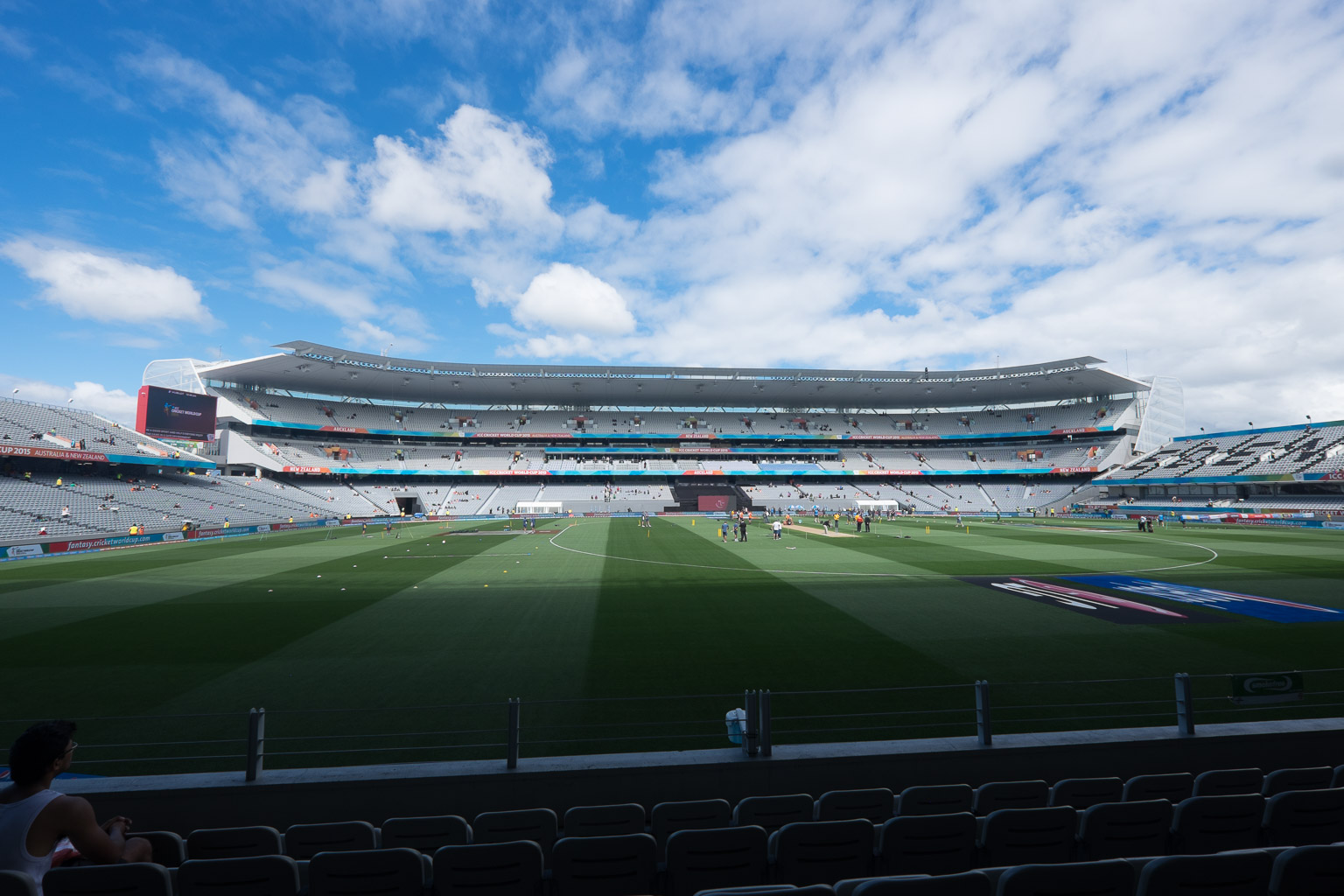
The fourth T20I is set to be played at a sold-out Eden Park in Auckland on Friday, a venue famous for its short boundaries and high-scoring games. It is a ground where bowlers rarely enjoy themselves at the best of times, and New Zealand's patched-up attack will face a stern test in front of a packed home crowd. The series finale follows on Sunday at Seddon Park in Hamilton.
For Ferguson, missing the Eden Park match will be a particular disappointment. The Auckland quick had been looking forward to playing in front of his home crowd, and Walter acknowledged that the bowler was "fizzing" at the prospect before the injury intervened. His focus now shifts to rehabilitation and to proving his fitness in time for the ODI series, where New Zealand will hope to have their senior bowlers back to restore some balance to the contest.
The broader question for New Zealand is how to manage a fast-bowling group that has been hit by a succession of soft-tissue injuries. Calf and quadricep tears, workload management programmes and carefully planned returns have become recurring themes of the home summer, and the coaching staff will be keen to ensure that short-term fixes do not create longer-term problems.
For now, though, the immediate task is simpler: find a way to compete in the final two T20Is with a bowling attack held together by reserves, rookies and spinners, against an Indian side that has shown no mercy so far.
(Reporting based on New Zealand Cricket, Cricbuzz and The Times of India.)