







Mumbai: Malaria and dengue cases in Mumbai have started to decline in the first half of October compared with September, according to the Brihanmumbai Municipal Corporation (BMC). But even as the numbers ease, doctors across the city have raised concerns about the severity of some infections this year, warning that patients can develop serious complications within a short period and calling for community-level interventions to check the spread of mosquito-borne diseases.

BMC executive health officer Dr Santosh Gaikwad said the number of malaria and dengue cases had fallen during the first half of October and added that malaria cases appeared to be lower than in the corresponding period last year. He did not, however, disclose the exact figures for October.
The civic body has ordered improvements in pest control and increased fogging operations across the city to prevent the spread of mosquito-borne diseases, and officials have said public health centres are equipped to treat patients suffering from malaria and dengue.
The latest full figures show a mixed picture for the monsoon season. According to the BMC, Mumbai recorded 7,422 malaria cases and 2,941 dengue cases between June and September 2026. During the same period last year, the city reported 5,144 malaria cases and 3,356 dengue cases.
The numbers point to a significant year-on-year rise in malaria infections even as reported dengue cases have fallen — a contrasting trend that has kept attention on the city's public health response as the monsoon-related disease season continues.
Other monsoon-related illnesses showed declines during the same four-month period. Swine flu cases rose sharply from 71 to 504, but gastroenteritis cases declined from 2,639 to 2,194, leptospirosis dropped from 549 to 286, chikungunya fell sharply from 509 to 66, and Covid-19 cases declined from 678 last year to 165 this year.
Doctors, however, say the headline counts do not tell the whole story. The seriousness of some dengue infections this year remains a major concern, with physicians reporting that patients can deteriorate rapidly. The warning has found tragic confirmation in the city's hospitals.
A 21-year-old nursing student at Grant Medical College and Sir JJ Hospital died on October 12 after developing severe malaria, while two resident doctors living on the campus were admitted to intensive care units with acute complications of dengue. The simultaneous life-threatening illnesses among medical trainees brought urgent focus to hostel sanitation, vector surveillance and the protection of frontline caregivers.
At civic-run King Edward Memorial (KEM) Hospital, more than a dozen doctors have been diagnosed with dengue and malaria, Maharashtra Association of Resident Doctors (MARD) president Dr Shubham Salunke confirmed, with some recovering while others remain under treatment.
An anonymous KEM doctor said 12 doctors had tested positive for dengue, linking the cases to overcrowding at the undergraduate and postgraduate hostels, where male and female doctors are housed on different floors of the same building because of a shortage of space.
The hospital administration has been urged to look into accommodation arrangements and ensure that doctors have a safe and hygienic place to stay, though there is no confirmed evidence establishing that the infections originated at the hostel.
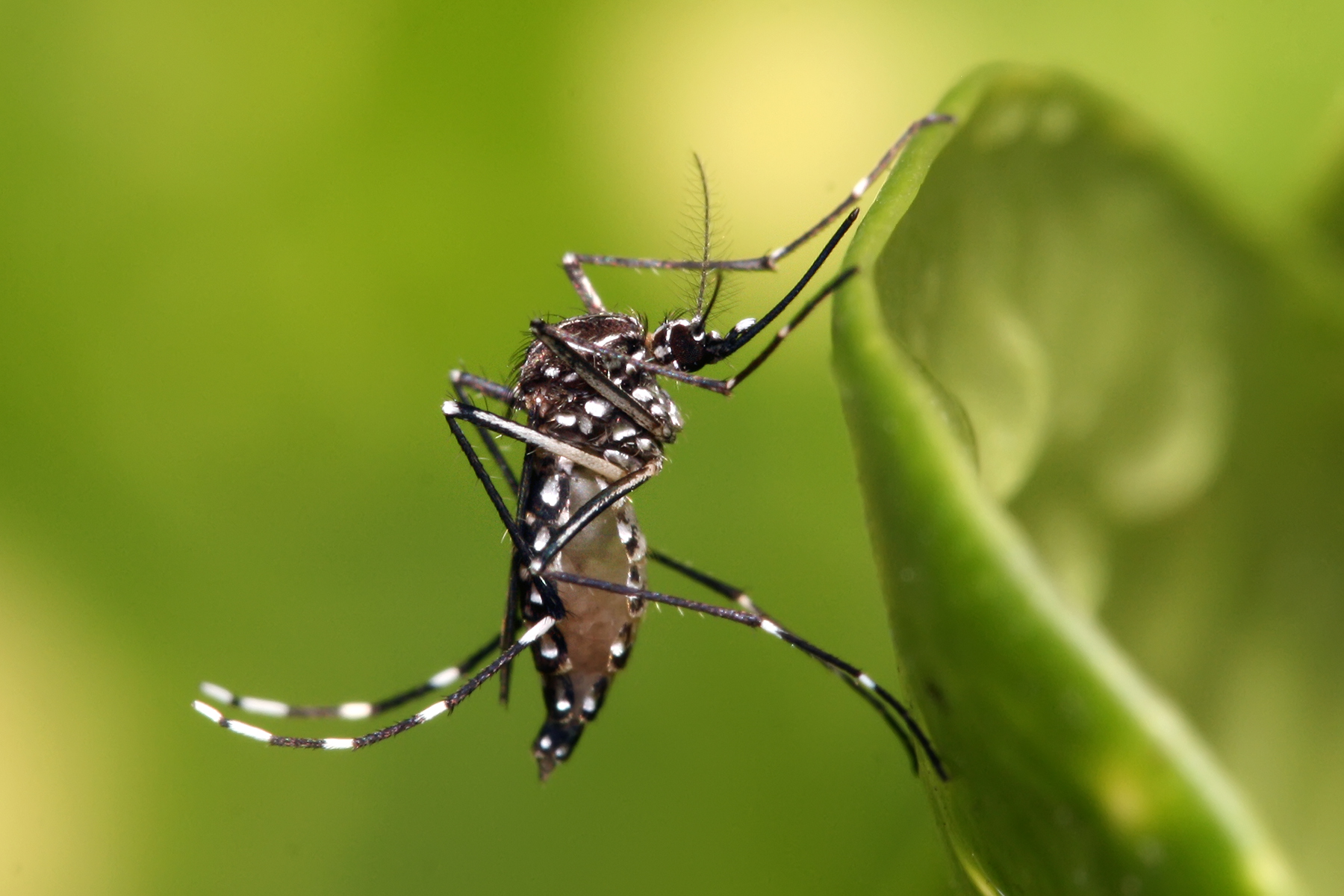
The BMC's response has been on two tracks: surveillance and vector control. Between September 1 and 15, civic healthcare workers surveyed 594,269 houses and more than 2.79 million residents, collecting 32,114 blood samples. Teams inspected more than 21,600 locations for breeding of Anopheles mosquitoes, which transmit malaria, and detected 3,367 active breeding sites.
For dengue-carrying Aedes mosquitoes, civic workers inspected nearly 469,000 potential breeding spots. During the Ganesh festival period, 28 dedicated health camps were organised, 9,842 people received preventive medication for leptospirosis, and medical camps across the city recorded 84,208 citizens, with 5,130 blood samples collected for malaria testing.
Civic chief Ashwini Bhide has directed officials in Mumbai's G-South Ward to strengthen measures against malaria, dengue and other vector-borne diseases, and to expand awareness of the ABHA and Ayushman Bharat health cards. Earlier data had shown the city recording 1,563 dengue cases between June and August 31 this year, compared with 1,972 cases during the corresponding period in 2025, even as malaria cases rose from 3,733 to 4,485 over the same window.
But doctors and public health experts say civic action alone will not be enough. A recurring theme in medical advice this season has been the role of community-level interventions — source reduction at the level of homes, housing societies and workplaces. Since the Aedes mosquito, which spreads dengue, breeds in clean stagnant water collected in small containers, a single overlooked water collection point in a building can seed an outbreak across a neighbourhood.
Fogging kills adult mosquitoes but does little against larvae developing in undisturbed containers; eliminating breeding sites at the source is therefore critical.
The BMC has advised citizens to eliminate stagnant water around their homes, avoid clutter where water accumulates, and use mosquito nets or repellents, especially while sleeping. Residents have also been urged to drink boiled water, avoid street food to prevent gastroenteritis and hepatitis, and seek prompt medical attention if fever develops rather than resorting to self-medication.
The civic body's festival-period outreach shows how seriously the administration takes the seasonal risk. With Ganeshotsav celebrations drawing large gatherings across the city, the BMC distributed information posters to Ganesh mandals and played educational jingles on dengue and malaria prevention to reach people at events.
Cleanliness drives and breeding-site destruction activities were stepped up at municipal hospitals and maternity homes, recognising that even healthcare institutions are not immune — as the infections at Sir JJ and KEM hospitals have demonstrated.
The message from doctors this season is blunt: early testing and personal precautions are key to controlling the spread. With monsoon-related illness data now showing that malaria is rising year on year even as other infections decline, and with severe cases straining hospital wards, the city faces a public health challenge that cannot be solved by the civic body's spraying teams alone.
The next phase of the fight against vector-borne disease in Mumbai will be won or lost in homes, hostels and housing societies — in the small pools of stagnant water that the mosquito needs and the community must deny it.
(Reporting based on Mid-Day, Mumbai Mirror and MumbaiLive.)