







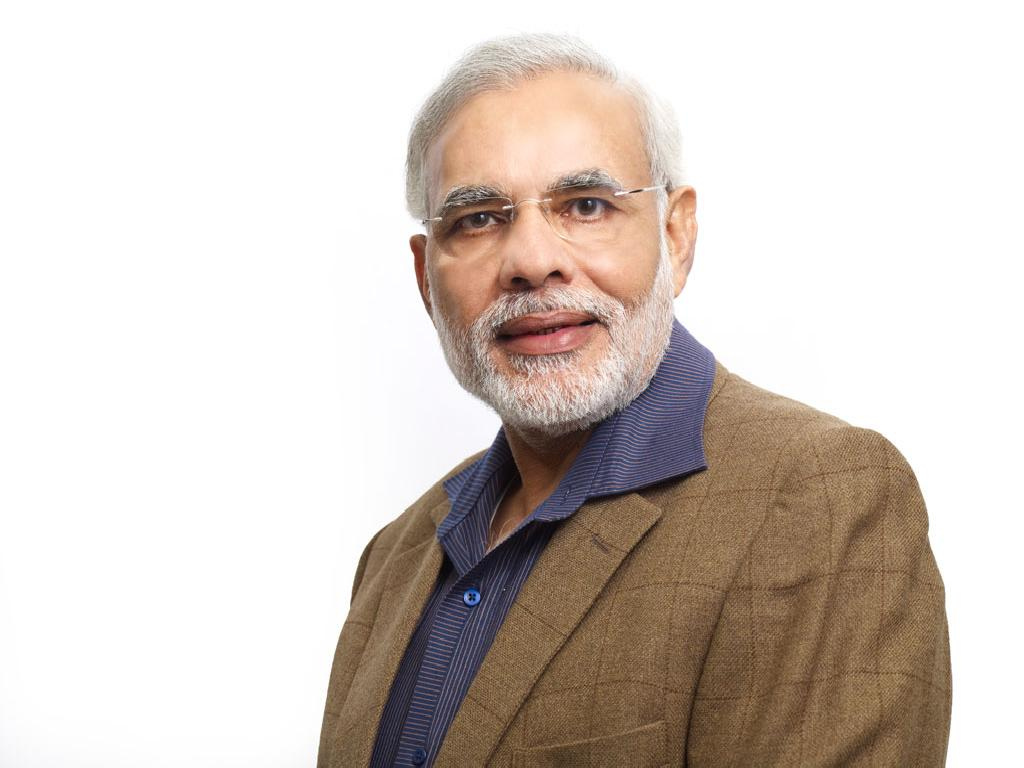
Prime Minister Narendra Modi on Wednesday asked his council of ministers and senior secretaries to promote the habit of saving among citizens, telling them that Indian culture does not believe in the idea of "eat, drink and have a good time". The Prime Minister made the remark at a review meeting of the Union Council of Ministers in New Delhi, held hours after he returned from the ASEAN summit in Manila.

People familiar with the deliberations said the Prime Minister's emphasis on savings was driven by a concern that many of those who have come out of poverty in recent years remain vulnerable to slipping back into destitution because of indisciplined spending. Modi told the meeting that the challenge before the government now was not only to lift people out of poverty but to ensure that they stayed out of it, and that encouraging a culture of saving was central to that task.
"Indian culture doesn't believe in 'eat, drink and have a good time (khao, piyo aur mauj karo)'," the Prime Minister said, according to those present at the meeting. He asked all cabinet ministers and secretaries in the government to promote the habit of saving as part of their everyday work.
The meeting, which lasted more than three hours, reviewed the government's work through three detailed presentations. Two of the presentations dealt with the elimination of left-wing extremism, while the third focused on poverty alleviation and highlighted India's progress, citing findings from the World Bank's October 2026 Poverty and Equity report.
Presentations were made by secretaries from 11 ministries and departments, including finance, economic affairs, rural development, panchayati raj, housing and fisheries.
Lauding the success in lifting nearly 50 crore people out of poverty, Modi said India's record of achieving one of the fastest rates of poverty reduction in the world between 2011 and 2023 called for "national celebration". He said the achievement had been possible because of the contribution of governments, officers, industries and people working together, and he described poverty reduction as the result of collective effort rather than the work of any single institution.
The Prime Minister recalled his first address in the Central Hall of Parliament after the BJP-led government came to power in 2014, and said the government had begun its journey with the mantra of "Sabka Saath, Sabka Vikas". He noted that around 50 crore people had come out of severe poverty in recent years, but stressed that the work was not finished.
The real test, he said, was to make sure that those who had escaped poverty did not fall back into it, and that required financial discipline at the household level as much as welfare support from the state.
Alongside the discussion on poverty, the Prime Minister also set out what he described as the next big target for the government: ending drug abuse. He asked his council of ministers and secretaries to treat drug addiction as the next target after the success against left-wing extremism, and said the campaign against narcotics must become a "personal commitment" for every minister and official.
"If because of our collective effort we could achieve the maximum ever lifting of people from poverty and end the LWE menace, can't we eliminate drug abuse?" Modi asked the meeting. "All this was achieved because of the contributions of all. So, if we are determined, we can do it," he said. He called for a "whole of government approach" and the complete involvement of society in achieving the target, and said ending drug abuse was crucial to protecting the next generation.
Home Secretary Govind Mohan made a presentation on "Naxal-free Bharat" at the meeting, setting out the future plan and the steps being taken to ensure that the menace does not resurface. He also detailed the steps being taken to deal with cybercrime and cyberfraud, which the government sees as a growing threat alongside the narcotics trade.
The Prime Minister highlighted that India had met the target of eliminating left-wing extremism, a goal the government had pursued for years through a combination of security operations and development work in affected districts. The presentations on the subject reviewed how the security situation had changed and what remained to be done to consolidate the gains, including continued development spending in areas that were once affected by Maoist violence.
The emphasis on savings fits into a broader push by the government to strengthen household finances. Over the past decade, the government has repeatedly linked financial inclusion to poverty reduction, arguing that access to bank accounts, insurance and formal credit gives poor households a buffer against shocks such as illness, crop failure or job loss.
The Prime Minister's message on Wednesday carried that argument a step further, suggesting that the habit of saving itself, rather than only access to financial products, should be promoted as a cultural value.
The remark also reflects a concern that rising incomes, without matching financial discipline, can leave newly prosperous households exposed. Officials present at the meeting said the Prime Minister was worried that people who had recently escaped poverty could be pushed back into hardship by unplanned spending, and that the government should use its outreach to encourage thrift.
The message was directed as much at the bureaucracy as at the public: ministers and secretaries were asked to carry the savings message into their own departments and programmes.
The meeting came a day after the Prime Minister returned from Manila, where he attended the ASEAN summit, and it was one of the first major review meetings of the council of ministers since his return.
The council discussed the government's achievements and the road ahead, with the Prime Minister using the occasion to set priorities for the coming months: protecting the gains made against poverty, consolidating the end of left-wing extremism, and taking on the drug trade with the same determination.
The twin themes of the meeting, savings and the fight against drugs, were presented by the Prime Minister as connected. Both, in his telling, are about protecting young people and vulnerable families: savings give households security and a stake in the future, while the campaign against narcotics protects the next generation from a threat that can undo that security.
He told the ministers that the government had shown it could achieve difficult goals when it worked together, and that the same approach should now be applied to the drug menace.
For the government, the meeting also served as a stocktaking exercise. The presentations by 11 secretaries covered a wide range of subjects, from finance and rural development to housing and fisheries, and were meant to show that poverty reduction had been a whole-of-government effort. The Prime Minister's message was that the same coordination would be needed for the tasks ahead, whether in promoting savings, fighting drugs or tackling cybercrime.
The Prime Minister's remarks on savings are likely to find their way into government messaging in the coming weeks, as ministries look for ways to promote financial prudence among citizens. The call to treat the fight against drugs as a personal commitment also signals that the issue will remain high on the government's agenda, with the Prime Minister himself setting the tone for a sustained campaign.
(Reporting based on The Times of India and The Hindu.)