







Union Minister for Ports, Shipping and Waterways Sarbananda Sonowal on Thursday condemned repeated attacks on commercial vessels, particularly those involving Indian seafarers, and reviewed the situation to strengthen maritime safety and security measures as the ministry tracks nine India-flagged or Indian-interest vessels in the west of the Strait of Hormuz.

The review, held in New Delhi on 19 November, comes amid heightened concern over the safety of merchant shipping and seafarers in high-risk waters.
"We strongly condemn the repeated attacks on commercial vessels, particularly those involving Indian seafarers, in various parts of the world," Sonowal said in a statement. "Such incidents pose a serious threat to the safety and security of seafarers, disrupt maritime trade and undermine the stability of global supply chains."
The minister's remarks reflected the government's concern over a series of incidents in which commercial ships and their crews have come under attack in waters through which a large share of the world's energy and goods move.
Sonowal said he had directed the Directorate General of Maritime Administration (DGMA) and all concerned officers to further strengthen maritime safety and security measures. The ministry is monitoring nine vessels, either India-flagged or of Indian interest, in the Persian Gulf region west of the Strait of Hormuz. A total of 86 transits of the strait have been made by India-flagged vessels or those carrying cargo bound for India.
The figures underline how exposed Indian shipping is to conditions in the waterway, which carries a significant share of the oil and liquefied natural gas that India imports.
The ministry's e-Navik seafarer tracking module is monitoring more than 800 vessels in the Persian Gulf, west of the Strait of Hormuz, while more than 200 vessels are being tracked in the Gulf of Oman, east of the strait. The system gives the government a live picture of where Indian seafarers and Indian-linked vessels are at any given time, and it is a central part of the response when incidents occur.
Sonowal also directed the authorities to step up advisories and coordination with the Ministry of External Affairs, Indian diplomatic missions, maritime stakeholders and relevant international agencies, so that prompt assistance and an effective response can be ensured in the event of any incident involving Indian-flagged vessels or Indian seafarers.
The minister also reviewed the compensation status of the victims of the recent attacks and directed the Director General of Shipping to brief him personally on the progress. He enquired about the measures being taken to ensure timely assistance to the victims' next of kin. The attention to compensation and to the families of those affected reflects the human dimension of the attacks.
Behind every incident at sea are seafarers, many of them Indian, whose families depend on their earnings and who face long waits for news when something goes wrong far from home.
India has one of the largest seafaring workforces in the world, with Indian nationals serving on ships across every ocean. That presence brings pride and substantial remittances, but it also means that India has a direct stake in the security of sea lanes wherever its sailors work. The Strait of Hormuz, which connects the Persian Gulf to the Gulf of Oman and the Arabian Sea, is among the most sensitive of those lanes.
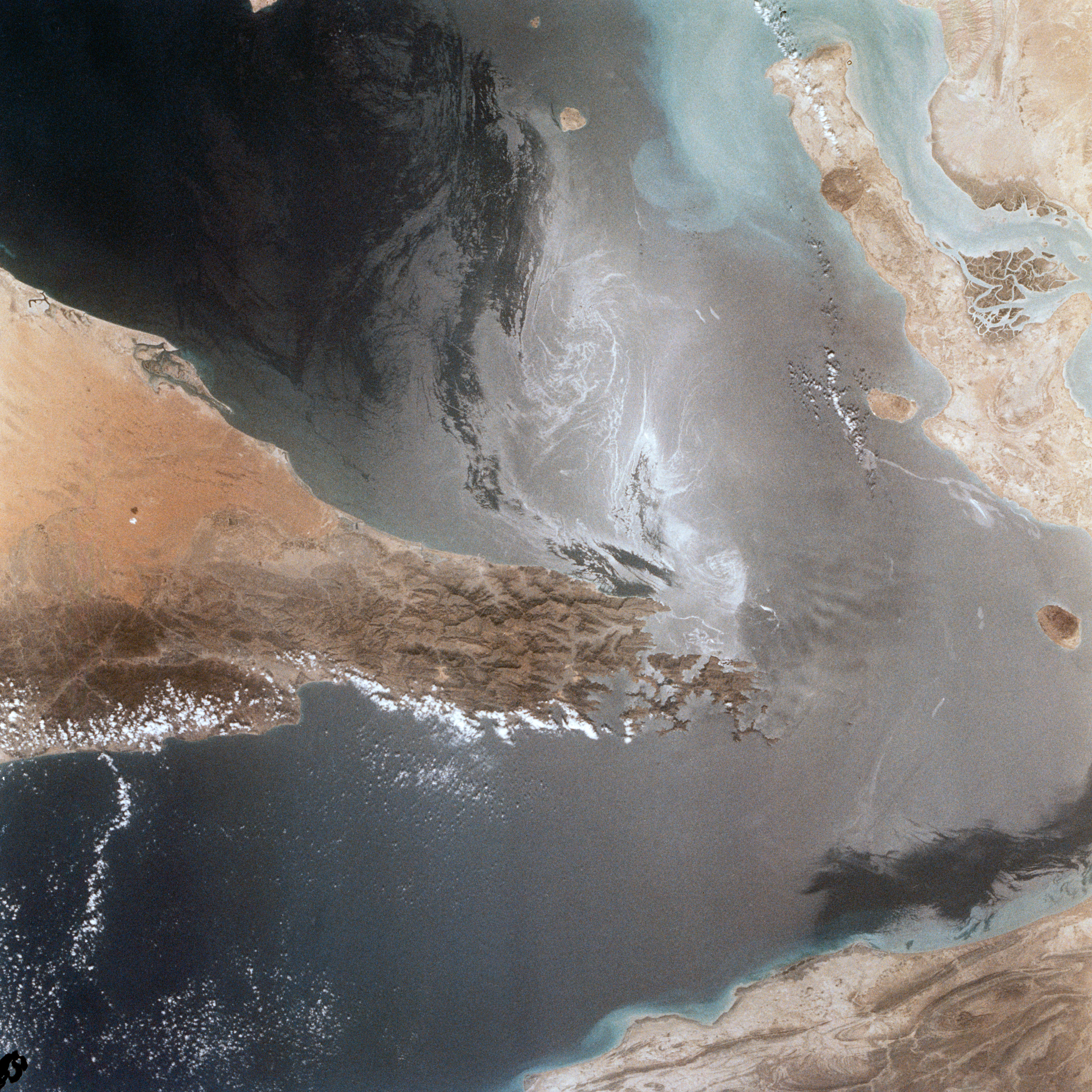
It is the only sea passage from the Gulf to the open ocean, and a large share of global oil shipments passes through its narrow waters. Any disruption there has immediate consequences for energy supplies, shipping costs and the safety of crews.
The region around the strait has seen repeated tension in recent years, with commercial vessels coming under attack in the Gulf and adjoining waters. Such incidents have forced shipping companies and governments to reassess routes, insurance and the protection available to crews. For India, which imports the bulk of its crude oil by sea, the security of these waters is not an abstract concern.
It affects the price of fuel at home, the reliability of energy supplies and the safety of thousands of Indian seafarers who transit the region every year.
Sonowal's review is part of a wider government effort to keep Indian seafarers safe. The Ministry of Ports, Shipping and Waterways has been working with the shipping regulator, the diplomatic network and international maritime bodies to improve monitoring, speed up the flow of information when incidents occur and make sure that help reaches affected crews and their families without delay.
The e-Navik system, which tracks hundreds of vessels in the region, is a key part of that effort, allowing officials to know quickly which ships are in harm's way and to coordinate a response.
The stakes for India are high. The country is the world's third-largest consumer of crude oil and imports the bulk of what it uses, with a large share of those supplies shipped from the Gulf through the Strait of Hormuz. Around a fifth of the world's petroleum liquids pass through the narrow waterway, and any disruption there feeds quickly into shipping costs, insurance premiums and fuel prices far beyond the region.
For Indian households and businesses, the security of the strait is therefore felt directly in the cost of transport and energy, not only in the headlines about distant attacks.
India's naval presence in the region is not new. The Indian Navy has maintained a mission-based presence in the Gulf of Oman and adjoining waters since 2019 under Operation Sankalp, escorting Indian-flagged vessels and responding to incidents involving merchant shipping. That deployment, alongside the diplomatic network and the e-Navik tracking system, forms the backbone of the government's ability to know where its ships and sailors are and to act when they are threatened.
The coordination Sonowal has now ordered, bringing together the shipping regulator, the foreign ministry and international agencies, builds on those arrangements.
Reiterating the government's commitment to protecting Indian maritime interests, Sonowal said the safety, security and welfare of every Indian seafarer remained the highest priority. The message, delivered as the ministry keeps nine vessels under close watch west of the strait, is that India intends to stay actively engaged in the region's maritime security.
With trade and energy flows depending on the safe passage of ships through these waters, and with Indian lives at stake on board them, the government has signalled that it will keep monitoring the situation closely and will act to protect its seafarers wherever they sail.
(Reporting based on Deccan Herald, DD India and Business Today.)